 (858) 484-5000
A pet veterinarian clinic is an essential resource for keeping pets healthy, comfortable, and well cared for throughout every stage of life. Whether you are a new pet owner or have cared for animals for years, understanding when to visit a veterinarian and what to expect during appointments helps you make confident decisions for your pet’s well being.
Choosing a trusted pet veterinarian clinic in Rancho Peñasquitos allows pet owners to access professional care, preventive services, and guidance tailored to their pet’s unique needs.
Pets cannot communicate discomfort the way humans do, so routine veterinary care plays a critical role in identifying health concerns early. Knowing the difference between routine visits and urgent care ensures your pet receives the right level of attention at the right time.
Understanding the Role of a Pet Veterinarian Clinic
A pet veterinarian clinic serves as the foundation of your pet’s healthcare. It is a place where pets receive preventive care, diagnostic evaluations, and medical treatment when needed. Veterinarians focus on maintaining health, not just treating illness.
Routine visits help establish a baseline for your pet’s health. Over time, veterinarians can identify subtle changes that may indicate developing issues. This proactive approach supports better long term outcomes.
Veterinary clinics also educate pet owners. Guidance on nutrition, behavior, and daily care empowers owners to support their pets at home.
What a Pet Veterinarian Does
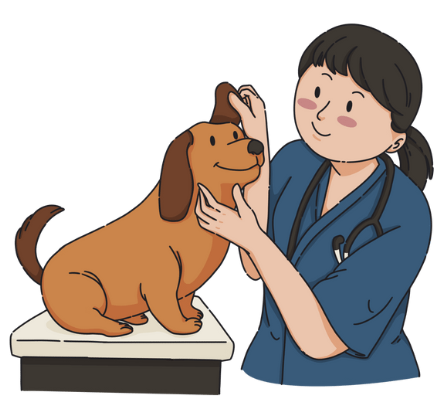
A pet veterinarian evaluates physical health, monitors development, and provides medical recommendations. They work closely with pet owners to create care plans that support wellness and longevity.
Why Regular Veterinary Visits Matter
Consistent visits help prevent avoidable health concerns. They also build trust between pets, owners, and veterinary professionals.
Why Choose a Rancho Peñasquitos Veterinary Clinic
A Rancho Peñasquitos veterinary clinic offers community-focused care designed to meet the needs of local pet owners. Accessibility and familiarity create a more comfortable experience for both pets and families.
Local clinics understand common health concerns in the area and tailor preventive care accordingly. This localized knowledge enhances the quality of care pets receive.
Pet owners also benefit from easier scheduling and continuity of care when choosing a nearby clinic.
Benefits of Local Veterinary Care
Pet owners often experience:
- Easier access to appointments
- Familiar veterinary staff
- Better continuity of medical records
- Personalized care plans
These advantages improve both convenience and care quality.
Routine Veterinary Visits and Why They Are Important
Routine veterinary visits are a cornerstone of preventive pet care. These visits focus on maintaining health and preventing illness rather than responding to emergencies.
During routine appointments, veterinarians assess weight, behavior, and physical condition. They also discuss diet, activity levels, and lifestyle factors that influence health.
Routine visits help pets stay comfortable and active while reducing the risk of serious medical conditions.
Common Reasons for Routine Visits
Routine veterinary care often includes:
- Wellness examinations
- Preventive health screenings
- Vaccination planning
- Nutritional guidance
These visits support proactive health management.
Understanding Urgent Veterinary Care
Not all veterinary visits are planned. Sometimes pets need immediate attention due to sudden illness or injury. Understanding when urgent care is necessary helps pet owners respond quickly.
Urgent veterinary care addresses health concerns that cannot wait for a routine appointment. Prompt evaluation helps protect pets and prevent complications.
Knowing where to turn during urgent situations provides peace of mind for pet owners.
Examples of Situations That May Require Urgent Care
Urgent care may be needed if a pet experiences:
- Sudden changes in behavior
- Signs of pain or distress
- Difficulty breathing or moving
- Unexplained symptoms
Pet owners can learn more about trusted pet urgent care services that provide timely medical support when pets need immediate attention.
Signs Your Pet Should Visit a Veterinarian
Pets often show subtle signs when something is wrong. Recognizing these signs allows owners to seek veterinary care before conditions worsen.
Behavioral changes are often early indicators of health issues. Physical symptoms may also appear as conditions progress.
Monitoring your pet closely helps ensure timely veterinary attention.
Behavioral Changes to Watch For
Common changes include:
- Decreased energy
- Loss of appetite
- Changes in sleep patterns
- Increased irritability
These signs may indicate underlying health concerns.
Physical Symptoms That Need Attention
Physical signs may include:
- Changes in weight
- Limping or stiffness
- Skin or coat changes
- Digestive issues
When in doubt, consulting a veterinarian is always a wise choice.
What to Expect During a Visit to a Pet Veterinarian Clinic
Knowing what happens during a veterinary visit helps reduce stress for both pets and owners. Most visits follow a structured process designed to gather accurate health information.
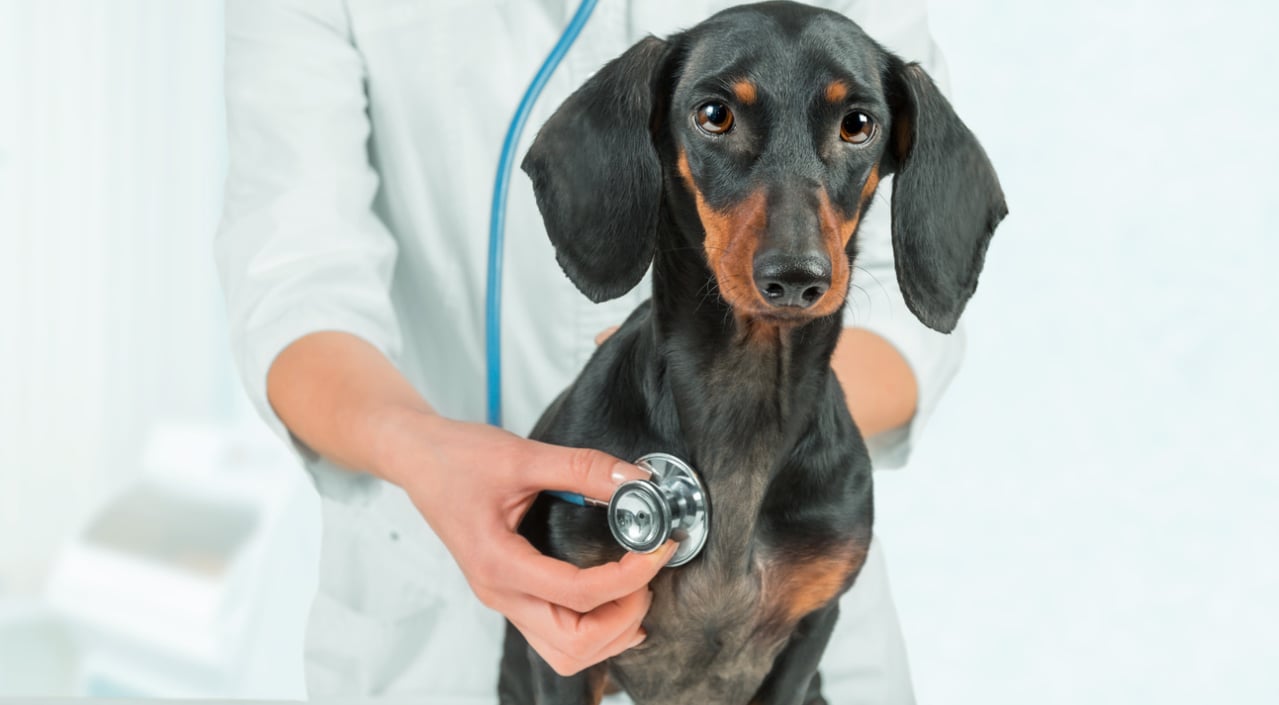
Veterinarians begin with a discussion about your pet’s history, behavior, and any concerns. A physical examination follows to assess overall health.
Diagnostic tests may be recommended if additional information is needed.
First Visits for New Pet Owners
For new pets, veterinarians focus on establishing a health baseline. This includes reviewing medical history and discussing preventive care needs.
Routine Appointment Process
Routine visits typically include a physical exam, wellness discussion, and preventive recommendations.
Preparing for Your Veterinary Appointment
Preparation helps make veterinary visits more efficient and comfortable. Bringing relevant information allows veterinarians to provide more accurate care.
Pet owners should observe their pet’s behavior before the visit and note any changes. This information supports better communication during the appointment.
Preparation also helps pets feel calmer and more secure.
What to Bring to the Appointment
Pet owners may consider bringing:
- Medical records
- Notes on recent behavior changes
- Questions for the veterinarian
This preparation improves the quality of the visit.
Communicating Effectively With Your Veterinarian
Clear communication between pet owners and veterinarians is essential for effective care. Sharing observations and concerns helps veterinarians make informed recommendations.
Asking questions ensures you understand your pet’s health needs and care plan. Veterinarians value open dialogue and owner involvement.
This collaboration leads to better outcomes.
Questions to Ask During a Visit
Helpful questions may include:
- How can I support my pet’s health at home
- Are there preventive steps I should take
- What changes should I monitor
These discussions strengthen the care partnership.
Creating a Long Term Care Plan for Your Pet
A long term care plan supports your pet’s health from early life through senior years. Veterinarians develop plans based on age, breed, and lifestyle.
Care plans evolve as pets grow and their needs change. Regular visits allow veterinarians to adjust recommendations over time.
This proactive approach supports longevity and comfort.
Preventive Strategies for Lifelong Health
Long term plans often focus on:
- Routine wellness care
- Nutrition and activity guidance
- Ongoing monitoring
These strategies support consistent health management.
Supporting Pets at Every Life Stage
Pets require different types of care as they age. Veterinary clinics provide guidance tailored to each life stage.
Young pets benefit from preventive education and growth monitoring. Adult pets receive maintenance care that supports stability. Senior pets receive focused attention on comfort and quality of life.
Life stage based care ensures pets receive appropriate support throughout their lives.
Life Stage Veterinary Care
Veterinary services typically include:
- Puppy and kitten wellness
- Adult pet health maintenance
- Senior pet monitoring
Each stage receives individualized attention.
Building a Trusted Relationship With Your Veterinary Clinic
Trust is essential in veterinary care. Consistent visits help pets become familiar with the clinic environment and staff.
Pet owners also develop confidence in veterinary recommendations through ongoing communication and education.
Strong relationships lead to better care experiences and outcomes.
Conclusion: Partner With a Trusted Pet Veterinarian Clinic in Rancho Peñasquitos
Choosing the right pet veterinarian clinic helps ensure your pet receives consistent, compassionate, and professional care. Understanding when to schedule routine visits and when to seek urgent care allows pet owners to act confidently and responsibly.
A trusted Rancho Peñasquitos veterinary clinic supports pets through every stage of life with personalized care and expert guidance. If you are ready to support your pet’s health with reliable veterinary services, contact us to pet care and take the next step toward lifelong wellness for your pet.
FAQ
How often should I visit a pet veterinarian clinic?
Routine visits help monitor health and prevent illness. Your veterinarian can recommend an appropriate schedule based on your pet’s needs.
What is the difference between routine and urgent veterinary care?
Routine care focuses on wellness and prevention, while urgent care addresses sudden or concerning health issues that need prompt attention.
How can I prepare my pet for a vet visit?
Bring medical records, observe your pet’s behavior, and prepare questions to discuss with your veterinarian.
Why is choosing a local Rancho Peñasquitos veterinary clinic beneficial?
Local clinics offer accessibility, personalized care, and continuity that support better long term pet health.